iHouse Annual Benefit

On Thursday, September 2, our family attended International House’s (iHouse) Annual Benefit called Abundant Love. Steve was the guest speaker and shared about Joy Matters as well as an emphasis on receiving Our Father’s abundant love.

Here are a few of our family’s takeaways followed by some bullet points from iHouse’s Executive Director.

As a playful way to incorporate our kids, I asked them to give me some random words that I had to use in my talk. I heard of this idea from some other speakers along the way as a joke. My daughter offered easy, simple words of which I already planned to use such as joy, pure, love, family. My son on the other hand gave me Abraham Lincoln or Gandalf. I chose Abraham Lincoln.

As I was about to be introduced, I realized that I forgot to type in my notes where to place “Abraham Lincoln” and began to panic. How was I going to use this? Why did I even care? As I was about to walk on to the stage, I said to my son, “I got it!”

As I was speaking about how our culture’s answer to most challenges or failures is “try harder,” I brought up Honest Abe. Start to think of Abraham Lincoln with his beard and tall hat. Now, try to stop! You can’t. You keep thinking of him. Unless you replace him with another thought. I made a fuller point but that is not what I want to share.

I want to share the sweet distinguishable laughter I heard from my two kids when I mentioned “Abraham Lincoln.” Without looking at them, I could hear my 8-year-old daughter’s giggles ringing throughout the ballroom. This was joy for me, for her, and for our whole family.

The first words from the emcee as I stepped off stage was about Abraham Lincoln and how he could not stop thinking about him. He mentioned how he just finished a book about Abraham Lincoln. Needless to say, Abraham Lincoln made an impact this evening.

Gentle presence matters more than perfect technique. With-ness matters. Let’s not overthink or get stuck in “what if’s” in how to care and serve others. Fear will keep us from ever encountering someone different than us.

I often say that Jesus is Triple A. **JESUS IS AAA** He is Always Available and Attentive to you. He sees us and interacts with us. Why is this important? Because . . . Suffering becomes trauma when we perceive that we suffered alone. We cannot change the events of our story. However, we can change the way in which we experienced our story.

The following is from our friend and iHouse’s Executive Director, Ann Heign:

  • We raised $48,000 that will help us purchase ELL curriculum, trauma healing resources, and Biblical resources for children, among other things.
  • A used van was donated, which allowed us to add more medical appointments to the calendar.
  • 300 people attended, including a group from the International Restoration Church, which started at iHouse. 
  • The event brought together volunteers (some who had started 20 years ago) in a safe place to share their stories while eating together. 
  • It introduced people who may not have been previously aware of the plight of refugees and the opportunities the Lord offers them to build relationships and welcome people well.
  • I had many comments about how impactful what you (Steve) shared about joy and appreciation was. The evening felt more like a gathering to learn and grow together than a fundraising event. It felt like family coming together to visit, rather than a formal fundraiser. 
Steve with our iHouse friends, Heather and Ann.

Steve with our iHouse friends, Heather and Ann.

Northern Africa Update

As I landed back in the Arab world, I immediately was hit with memories and excitement. It was good to be back in a familiar place. I felt comfortable and at ease. The organizer of the training met me at the airport then we waited for 7-10 of the participants to arrive from their home country. 

Day one was rest, planning, and meeting with our translator before the actual training began the following day. Our translator was young, shy but well-spoken and a capable woman. During the evening she texted my co-facilitator asking if she could bring a friend to help translate as she felt the task was too big for one person. We agreed. 

The first day of the training begins. The other 20 or so participants arrived late. Some only getting 5 hours of sleep and others getting 1-2 hours of rest. Apparently, there was a misunderstanding at the airport and a few of them were detained for hours. Multiple layers to this story but they were not calm nor rested entering into this crisis care training. 

I felt the anxiety in the room. From many of the participants who were tired. Just meeting others for the first time. The organizers who were juggling countless matters behind the scenes. From my co-facilitator for whatever reasons. Also from the two young translators. So I began with acknowledging the tiredness and stress. We paused to breath in through our nose and exhale with our mouth. Just a few moments of breathing seemed to help. At least for some of us. Including me.

15 minutes into introductions, our translators quit! Yep, you read that correctly. One of the young women looked at me and simply said, “I can’t do this.” So, what do we do? What would you do? I simply paused. Others stood up and took the microphone. The two young women went to sit down and one of the participants continued as the translator for that day and the remainder of the training. 

At the break, I went over to these two young women who were sitting with their backs to the room, not wanting to look at anyone. I said, “look at me, raise your heads. I am glad to meet you and honored to know you. I am proud of you. I have a daughter and I tell her that she is brave and courageous. And you too are brave and courageous.” Tears began to form in their eyes. A couple older participants came over to encourage them, hug them, and express compassion. 

What a beginning! 

So, who are these participants? Trailblazers. Influencers. Dreamers. Culture makers. One woman was the first woman to drive in her city, get a degree, and get a master’s degree. One of the only 80 trained psychiatrists in their country is in the room. A man walked up to me at the break and said, “I am not Arab. I am _____ (he names his tribe).” I later find out that his dad is the chief of a tribe that runs into 3-4 other countries. Basically, he was telling me, “I am a big deal.” Conflicting tribes were represented in this training. People who talk with the Prime Minister regularly. People who not only have the vision to change their country but the influence and resources to make it happen. They were from three different areas across their home country. However, they were also people with deep pain and loss. Among the participants was a man who lost his pregnant wife and four children in the flood named Hamza.

Surreal. 

After the introductions and before moving into anything related to pain or loss, I asked all the participants to imagine a peaceful place or moment. Relive it. This practice would hopefully create an anchor to go back to as we moved forward in processing their hurt and pain. 

We taught about how to be a safe, trusted listener. One participant’s feedback was helpful, “normally we are communicating with each other about information; it was refreshing to be able to express freely and talk about our emotions for a change.” 

We also introduced the Journey of Grief and asked for examples of people who had experienced great loss. Someone mentioned Moses’ mother, when she ‘threw her baby in the river’, she felt great loss. I brought up the example of Ayub (or Job for non-Arabic speakers) as someone who experienced great loss [more on this later]. When I illustrated how we move between the villages, and how we might drag our friends through the villages more quickly than they are ready, the visual made an impact. One shared a local proverb, “You don’t close a wound before it is healed.” Another participant shared afterwards that this exercise helped her realize how she can walk alongside others in processing their pain, as many friends have been coming to her wanting to process their story. Up to now, she has been afraid, because she senses it is such a big responsibility. She told us at the end of the day, “now I feel equipped, like I can listen to them well, and walk with them through this journey.” 

I concluded the day by asking if anyone in the room struggles to sleep. Almost all of the hands went up. I taught them a simply breathing practice as well as a practice we call 1-1-1 to increase joy as you lay down at night. The next day one of the women interjects, “I did that practice that Mr. Steve told us about. I have slept better than I ever have. Thank you.” Yes, thank You, Father for giving us sleep. 

Day one of the training ended well. While waiting for dinner, the man who told me that he is not Arab, made a comment to me. “Thanks for mentioning Ayub. No one else respects my religion like you did.” That was surprising and unexpected. Spirit is with us! 

Day two of the training is marked for me with two different events and a range of emotions: the men’s bathroom and uncooked spaghetti noodles.

Let’s begin with the story behind the men’s bathroom. It began when a participant shared a challenging story in too much detail. The story even translated into English was bothering me. People noticed that it was especially bothering Hamza. I made eye-contact with him to see if he was okay. He was not but nodded as if all is well. Some of the participants kept getting my attention to help him or get him to talk in front of the entire group. Within moments, he walked out of the room. I immediately stood up to follow him, but I needed a translator since my Arabic is lacking and his English is zero. The person that I asked to help is one of the female organizers. 

We walked out to find Hamza. You guessed it. He was in the men’s bathroom. So I along with my female translator (she is a believer) walked into the men’s bathroom to be with him. He was smoking one cigarette after another as well as crying. People have told me his story but he has not told me his story. So I asked simply, “will you tell me what happened?” 

We listened as he pours out his heart and distress. He showed us pictures of his beautiful wife and kids as well as his lovely home. All of it lost. He then proceeded to tell us what others have said to him. “It is God’s will. Just move on. You are weak if you cry. You need to get another wife. Don’t cry.” He also voiced his questions, “how is this God’s will? Why?” As we listened for what seems like an hour or more, I tell my female friend, we have to simply ask Spirit what to do or say because this is overwhelming for all of us. We felt and knew Spirit was with us in the moment. Never a doubt. He was guiding our interaction. 

Hamza was tired and wants, even needs, to stop talking. I ended by asking, “how do you think you can get peace in your heart and mind?” He responded, “is that even possible?” We walked out of the men’s bathroom and back to the training. 

I am glad to say that weeks later Hamza is doing better. Others have reported to me his demeanor and countenance have changed. He is “lighter” as they say. He is rebuilding his house and said that “he has found himself.” Keep praying for him as he processes much. Asking for peace/shalom to overtake his mind and heart. 

The other event is related to uncooked spaghetti noodles. The afternoon of day two was set aside for rest. The majority of the participants decided they wanted to play team-building games. Little did we realize how much these three hours would produce of childlike wonder and laughter. The first game we had to use uncooked spaghetti noodles, scotch tape, and one long string to form the highest possible tower which could support a piece of candy. We played 4-5 games including human knot and fishbowl. One commented to me afterwards, “we never laugh like this together or sing [silly, fun] songs as men and women. This was such an amazing time for us.” Laughter and play are healing agents when used at the appropriate times. 

A new birth

Basma, the woman who was forced into translation, ended up sharing deep things with me. She spoke after the first day about feeling different and something inside her changing as if she was “pregnant.” I said it sounds like you are having a “new birth” in your life. Her eyes widened and she exclaimed, “that’s it. A new birth.” Later, she completed her feedback form by answering the question “how has this training benefitted you?” with one sentence – “I am born again.” 

The last evening after dinner Basma pulled me aside to share about a childhood trauma related to her mother. She began by saying, “I do not know why I am telling you this, but I feel like I should and I want to.” This trauma was multi-layered including shame and addictions. I told her a story of how more of this or less of that usually leads to a roller coaster and little lasting change. I then told her about a woman with a similar story but instead used joy to transform her life. Thankfully these two women have been able to connect a couple of times already. 

The power of touch and tone

At another moment with Basma, she told me, “I wish that I could hug you. But you know that I cannot because of our culture.” I simply said, “I understand.” Two other women said the same thing to me about wanting to hug me. Others, including Hamza, told me how calming and relaxing my voice was to them. He apologized to me for turning his back to me while I was teaching. Honestly, I did not notice but he said that my voice was so calming to him that he began to cry and did not want others to see him. As I told this story to my mother, she was quick to point out that “this sounds like the Holy Spirit.” I laughed. Obviously, it was Spirit and not my regal voice. But leave it to moms to keep their sons humble and in place. Thanks mom! 

Day three of the training was centered about the six stages for disaster, being a resilient helper and self-care, and implementation within their context and communities. As with most professional trainings within the Arab world, you end with a presentation of certificates and delivery of speeches. Photos. Lots of photos. Such fun. Giving of gifts was also a part of the culmination. During my brief speech, I mentioned two things that stood out to me. We walked in that room as 30+ individuals from various backgrounds and experiences but we were walking out as friends. This was just the beginning not the end. Also, I told them that I was better because of meeting them. I truly believe that. Those men and women’s stories and experiences have changed me for the better. I was inspired by them. Their determination. Perseverance. Vision. Love for their own people. Willingness to learn from others. 

That evening the participants went out together for what we thought was a time to relax and enjoy their last night in another country. The next day we discovered that they went to debrief together and discuss how each of them had benefitted from this training. They recorded each person’s answer and posted it on social media. Again, these are Influencers. Dreamers. Culture makers. Visionaries. 

To date, I have meet with the leadership three times since gathering face to face. I have another meeting with them to discuss next steps. The key organizer said, “We are planning to implement what we learned in our communities as well as offer additional training across our country. To better assist with these endeavors, we created a training center.” 

One last story. The final morning at breakfast before heading to the airport, I noticed that Basma was sitting by herself. I asked to sit with her as she is also one of the main organizers. As we talked, she expressed how much she learned from me by having to be the translator i.e. how to communicate clearly, remain calm when others share difficult things, etc. We discussed how she would not have been my translator if those two young women had not quit the first day. Together, we agreed that God allowed this to happen so that we could get to know each other better. What initially appeared as bad or hard, ended up good and forming an ongoing friendship. 

Stay tuned! More to come as a result of this 3-day training. 

Oklahoma City

November 11-12, 2023

June of this year I traveled to Columbia, SC to offer trauma healing equipping. A couple from Oklahoma City participated in this equipping. His name is Ben and he is an Afghan believer. Can you see where this is going?

Fast forward to CCA in July, I see this couple again and they introduce me to their friends and pastors from OKC. They invite me to come offer trauma care to Afghan believers now with the hopes of returning in 2024 to equip Americans. 

Ben and I sat with 20+ Afghan believers over 2 days. To start, I am so grateful for him, his interpreting, and his cultural insights. He was not feeling well with a sore throat and runny nose, but God cared for him and allowed us to persevere. God is kind and shows us His love and care again and again. 

As I sat in a room as the only non-Afghan, I was humbled. Even after 20 years of being around Afghans, my cultural learning curve is steep. For example, during introductions (not very far into our time, ha!), I asked everyone to share their name and what they enjoyed from the previous week. It comes time for an older woman to share but she does not. She does not even share her name with us. She goes by “aunt.” Realize, I have experienced this before in other settings, but not in this type of setting. Immediately I utter to myself, “Lord Jesus help me listen well to You.” For the foreseeable future, this woman appeared to merely observe and not participate while comfortably sitting in the back of the room on the floor as is her custom. There were other cultural learning opportunities for me in the next two days. 

From our brief time of trauma care at CCA, I learned that we need to spend significant time raising joy BEFORE addressing any pain, loss, or suffering. Therefore Day 1 with our Afghan brothers and sisters was just that – joy building & quieting practices (if you want to know specifics, then contact me). We came back to those practices through the two days. I spoke about Jesus is always with us and He enjoys being with us even in difficult times or big emotions. 

Another thing that I remembered from our time at CCA was the need to talk about emotions and feelings from a cultural versus Biblical perspective. So we asked these questions: What does the Bible teach us about how to handle our feelings? What does your family or community tell you God is like, especially in times of suffering? We then looked at various OT prophets and passages about Jesus showing emotion and expressing their feelings. 

I decided to incorporate a practice that I learned from Adrian while in Finland. I asked everyone to think of a peaceful place or moment in their life then re-imagine being there. We would go back to this peaceful place or moment as an anchor throughout our time together. This is fairly similar to a gratitude memory which I have discussed in previous updates, but I then added a piece. I asked them to draw that place or moment. 

This addition was profound and significant for our time together. Ben and I noticed how much they enjoyed drawing, coloring, or just doodling. They participated more with the practices. So we made the adjustments to add more drawing or coloring into preexisting practices. The difference was so profound and significant that we had to allow more time. Plus, on the last day, Ben and I both noticed that the older woman who usually sat on the floor merely observing had come to the table and began coloring/drawing. Slow and steady. God is The Healer and Initiator. He has it. 

On the second day, after we spoke of and practiced lamenting, being a good listener, and Immanuel journaling, we then looked at the journey of grief (see below). I drew it on a whiteboard and Ben wrote the words in Dari. The discussion led to numerous questions so much so that we had to take a break before continuing. Their realization of being on the False Bridge or Westerners taking them on it was eye-opening. Understanding the back-and-forth normalcy between No Hope and Denial/Anger was helpful. One person asked, “does this ever end?” I responded, “what do you think?” He said, “no.” We then talked about the processing of pain, loss, and suffering with God and others. We also said that we cannot avoid pain in future but we now have some practices and exercises to help. 

Suffering is normal but suffering alone, or perceived loneliness, leads to trauma. Remember we as followers of Jesus are a people who suffer well. 

At the end of our time together, we asked everyone to share one thing that stood out over the two days. The responses centered on four areas:

  • God is Always with me and Enjoys Being with me
  • Emotions and Grief Journey
  • Peaceful Practice
  • Being a Good Listener

Here are some of their comments about these four areas.

God is with us even in difficulties. God is with us when we are happy and sad. We are not hopeless at any time. The wind makes us stronger (verbiage from Tree Exercise). We can give our pain to Jesus. 

During the peaceful practice, as everyone is imagining their place or moment, I asked, “what might God be communicating with you through this memory? Remember that even if you did not realize it, He was with you.” As with any practice or exercise, we allow for a time to share or ask questions. One person shared, “I never thought about God being with me in that memory. However, when you asked that question, I saw Jesus sitting next to me and gently placing His arm around my shoulder.” 

At the end of our time together, that same person’s take away was – I am so glad to know that God is always with me and ENJOYS being with me.

One woman responded, “I like seeing that the Prophets wept” then another woman said, “I do not have to rebuke myself for grieving.”

Many spoke of the peaceful practice. Finding peace. Returning to peace. Drawing the place or moment. 

Be a good listener and finding the right person to share with is important. Be a person and find a person who is safe, keeps things confidential, does not judge me, and listens with their body. 

Needless to say, God definitely showed up. He enjoys being with His children. 

Finland

October 12-17, 2023

Wednesday, October 11 at 8:40pm I received a text message. “Just wanted to let you know I’m booking!!”

My dear friend and brother, Josh, joined me the next day (October 12) to go to Finland. All of us prayed for someone to join me on my trip to Finland. God answered! Another an example of God showing His care and love toward us. 

You may recall the story of “Why are you going to Finland?” I participated in the Afghan Task Force Summit within the Refugee Highway Partnership (see below for more detail). There were 5 focus groups (advocacy, mapping, development, trauma care, spiritual support). I was invited to join the trauma care team.

So, what happened? How was your health? What did God show us? Who participated? What lies ahead? Tell us stories. 

Josh and I arrived a few hours before the gathering began. As we get settled, I recognized several of the other participants. People I met years ago and some most recently from CCA in July. I heard “hey Moses” from an Afghan couple and made eye-contact with my friend, Adrian, who comes over and hugs me. Josh and I feel welcomed and excited. 

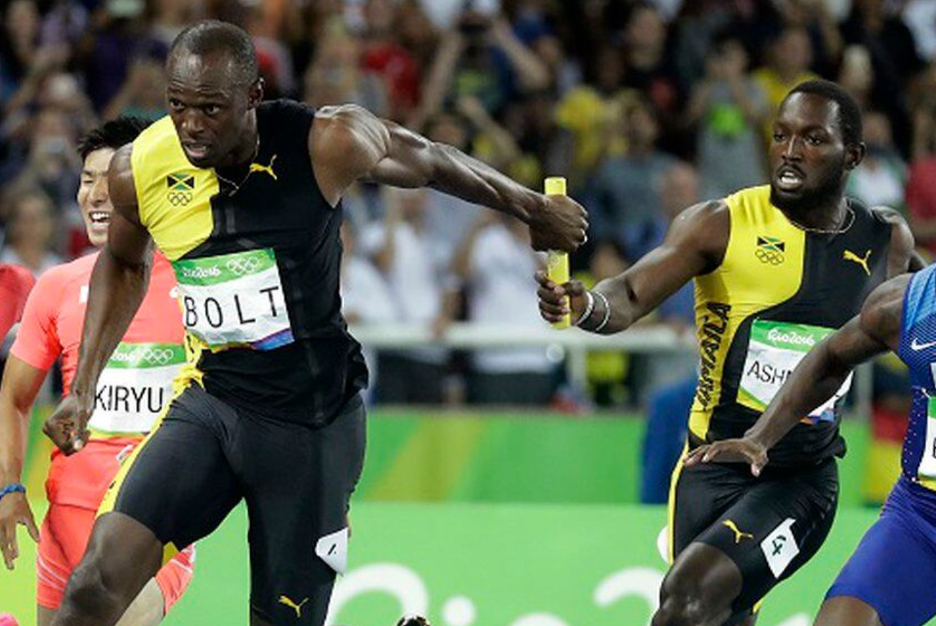
The first night one of the Afghan leaders shared an image of relay runners passing a baton (see similar image below). This image set the tone for the gathering as well as ongoing conversations to this day. What comes to your attention? Much to take from this image – both are running & looking ahead, working together, need each other, common goal, etc. Also, that evening we heard Afghan history and Afghan church history. We acknowledged what God has done, is doing, and what might lie ahead. We sang and worshipped together. Beautiful, sweet praises in Afghan languages. 

Story #1 Emma
The next morning Emma shared on unity. She worked for years among the persecuted church. She began with talking about the mind of Christ. “The mind of Christ awakened when we sang together the night before”, she shared. She intrigued me by saying, “if we seek unity, we often will argue. If we seek love, we will unite.” Worth pondering. 

She references Psalm 133 and how worship unifies. Good stuff. 

We all have the mind of Christ and show it via humility. She shared more about worship, leadership, and love. She concluded by talking about men and women especially in the same household. Emma asked, “can we be mirrors of Christ? People do not merely see husband and wife but actually see Jesus and Jesus. Jesus and Jesus work together. Love each other.”

I am captivated by Emma’s words and stories. Afterwards I asked if we might talk. That conversation was full, long, rich and ongoing. We discovered that we have mutual friends, Chad & Leslie, who Emma met in South Asia earlier this year. Crazy, fun, small world. Emma and her husband’s heart for the persecuted especially of women resonates deeply with Angela and me. We spoke of gender specific religious persecution as well as men and women co-laboring, co-leading. We began to dream together. We are praying about what could be. We are expectant. 

Will you pray with us about what lies ahead? 

My health
Besides 4 hours on the first night of feeling terrible with stomach cramping and sweating, my health was all good. No issues at all. Easy travel there and back. The one thing that remains complex is eating with others. Sitting with people while they eat but I am not eating is not the same as sharing a meal with them. All in due time, trusting-hoping-praying. Thanks for asking about my health and continuing to pray with me for healing. We are being invited into more international travel next year. God give us wisdom and Your mercy! 

Who participated?
50+ people gathered for 3 days. People from across Europe, a few Canadians, a handful of Americans, and a couple of people from Australia. 30-35% were Afghans. 25-30% were women. Experienced practitioners from an array of backgrounds. 

What lies ahead?
For us
: New friendships and developing partnerships: Emma, Adrian, an Afghan couple, Matt, Kenneth, Markus/Maarit, and others. Teaming with Adrian and others to offer trauma care to Afghans & Iranians within the ATF across the globe and within North America. Accepting invitations to offer trauma care to non-Afghans & Iranians. Forming a network of joy-centered, trauma-sensitive disciple-makers. 

For ATF: This Summit was the first of its kind in Europe and this was a good start. The ATF Core team is strengthening with Afghan leaders. The focus groups are continuing to meet with the addition of two groups – prayer and women. In 2024, there will be a European regional gathering in February with a global gathering later.

Story #2 Kenneth
During one of the many coffee breaks (Fun Fact: Finland drinks more coffee than any other country), I introduced myself to Kenneth by asking him what he enjoys. He responded with “that’s a good question” before sharing all the fun things he does back in Sweden. I learned that he works not only with Afghans but also with Iranians. Our conversation and friendship deepened. 

I knew I was going to like this guy when this happened. On the last day, someone recommended a retreat for Afghan leaders to give them rest as many are tired, weary, and overwhelmed. Kenneth kindly raised his hand and said, “a retreat is okay but what if we did not offer only a retreat but instead taught and modeled a lifestyle of rest. That we begin from a position of rest.” Love this guy! 

Will you pray with Kenneth and his care among Afghans and Iranians?

Story #3 Markus and Maarit 
Markus is the first person we met in Finland. He served us with airport runs. Maarit is an accountant and served the gathering with her administrative giftings. They have 3 young kids. They are like you and me – trying to figure out life with kids, jobs, and past hurts. 

I had 2-3 conversations with Maarit and listened to her story. Enjoyed being with her as she shared about motherhood, transitioning jobs, and her deep love of prayer. Josh and I realized that one reason we came to Finland was to sit with Markus and Maarit. We knew it the moment we met Markus and God confirmed that time and time again. On that Monday, we prayed specifically about a tangible need for Maarit. That Wednesday, Markus texted and said, “the problem got solved.” May they continue to see God’s goodness in everyday life. 

Pause now and pray with Markus, Maarit, and their kids. Ask God to overwhelm them with His love and kindness. 

Who is this group? What do they do?
The Afghan Task Force (ATF) functions under the Refugee Highway Partnership. The purpose of the ATF is to enable a united global Christian response to the needs of the Afghan Christian Community and nation in the context of forced displacement.

Refugee Highway Partnership (RHP) is a global network formed of existing and emerging regions. As part of a refugee movement, impassioned by a God-inspired love for refugees and a biblical mandate to care for forcibly displaced persons, the RHP initiates collaborative activities, speaks as one voice with and for the forcibly displaced and connects, and equips Christians for effective ministry with forcibly displaced people. The RHP is a Global Partner of the World Evangelical Alliance (WEA).

Joy, Rest, and Healing in Jesus Together

At the beginning of July, a small group of Somali Christian families from all over North America came to middle Tennessee to connect as brothers and sisters in Christ with their chosen theme of Joy, Rest, and Healing in Jesus Together. 

Our dear friends, Beth and Teri, co-facilitated with us. We began by explaining the need to raise joy levels before addressing pain, loss, or suffering. We used an illustration of two buckets – one hand holding pain, loss, suffering, trauma and the other hand holding joy, appreciation, gratitude. After this illustration we moved to raising joy levels by practicing joy or gratitude memories. You can read about this practice here. 

We experienced these truths together:

  • Joy helps our brains heal and make us resilient.
  • We were born into, and for rest.
  • Lamenting is grieving with God. 
  • Bringing your pain to God is a sign of faith, not doubt.
  • Grief is unavoidable and we can learn to grieve like Jesus did.
  • Being a good listener is powerful in helping someone grieve.
  • The Most High God (Is 57:15) became the Man of Sorrows (Is 53:3) to heal, revive, forgive, guide, comfort, and put a song in our hearts (Is 57:15 & Phil 2:3-11). 

Some, who were closed-off at first, became the most open to share by day three. We were so pleased to see a profound humility, unity, and trust that has grown steadily since last year’s gathering. This trust has produced fruit! 

One participant wrote, “The sense of home and belonging it brought me is something I had been seeking for a long time. I had always envisioned my family coming to the Lord (and I pray they will) but God showed me that this is my family. I was so grateful for the little moments like speaking Somali together, eating Somali food, and worshipping in Somali. I genuinely want to embrace my culture more and not run away from the way God created me—as a Somali.” 

Another person commented,The verse that continues to come to my mind is Hosea 2:14-15. The journey out of the Valley of Achor to the door of hope – God is giving them new songs to sing. Truly it was a beautiful weekend of joy, rest, and healing.”

And another, “I was moved by the precious voices praising God thinking how sweet a sound it must be for God to hear His praises sung in Somali. And to hear passionate prayers for their nation and beyond. The sisterhood, the open healing hearts, the praising in community in a heart language are all beginnings that God will grow and multiply.”

We praise Jesus for these believers as they continue to share the joy-building practices with one another via WhatsApp. Our Generous Father also provided all the funds requested – over $16,000 – through churches, organizations, and families. 

20th Anniversary of Concerned Christians for Afghanistan

Our time at Concerned Christians for Afghanistan (CCA) was monumental. One person who has worked 40+ years among Afghans summed it up well, “we just experienced a holy moment.” 

From the first gathering 20 years ago of 40 people and 1 Afghan believer to now in 2023 with 400+ people and 50+ Afghan believers, this gathering was rich, special, an Ebenezer moment. Below is our humble attempt to capture what God did at CCA as well as what God is doing. Our hearts are full. If anything, know that Our Father is kind, Jesus is alive, and Spirit is among Afghans across the globe. 

We would like to share three stories from a 4-day gathering. However, before those stories, below are some other significant happenings.

  • Testimonies of God’s amazing work among Afghans across the globe including inside of Afghanistan. 
  • Use of social media (Facebook Live, TikTok) to meet, gather, and disciple Afghans.
  • Seeing an Afghan engagement followed by Afghan dancing. Our son commented, “this was rare and special.”
  • Meeting an Afghan living in Luxembourg who believes he may be the only believer in that country and another Afghan who arrived 3 months ago after walking much of the way from Brazil. 

For me (Steve) this was a family reunion of sorts. A delight of connecting with friends from the past 20 years while also introducing them to Angela and the kids. One blessing was meeting friends face-to-face for the first time and introducing them to one another. I particularly remember sitting in rocking chairs on a balcony with a family from Missouri and another family from South Carolina. The younger kids are playing as we sat in a circle getting to know one another. I am grinning from ear to ear. At one point I blurt out, “I love this moment.” It was pure joy to introduce two families that I love and care about so much to each other. I do not even recall what we discussed but I know it was full of deep gratitude and Jesus loved rocking in those chairs with us. 

One of those holy moments occurred during the presentation and dedication of Pashto and Hazaragi Bibles after decades of work. Our dear Hazara brother shared his story about handwriting from Greek into Hazaragi via candlelight before ever meeting a Westerner to assist in the process. Now years later, the newest Hazaragi Bible was dedicated by dozens of Hazara believers while tears streamed down many faces including ours. 

The first ever New Testament Pashto Bible was then dedicated after nearly 100 years of perseverance. Hazara believers prayed over the Pashto Bible to go forth and bless the Pashtun peoples. If you are unfamiliar with Afghan history, then rest assured this was loving your enemies in action. One of the most profound moments we have experienced. At the end of this dedication, an older Afghan man grabbed the microphone and spoke in his heart language. He went on to say, “until this moment, I thought I was the only Pashtun believer in the room. I now know that I am not alone.” Our Father is kind to connect His children in unbelievable ways. 

On the final day, Steve along with our good friends, Susan and Diana, co-facilitated a time called Finding Our Comfort in God After Great Loss. This was a full day of trauma care and joy-building for Afghans via simultaneous Dari translation. The day included lamenting, quieting, understanding grief, and joy-building practices. We had 50+ people attend and we broke them up at round tables of 6-8 people. 

We started by explaining the need to raise joy levels before addressing pain, loss, or suffering. We used an illustration of two buckets – one hand holding pain, loss, suffering, trauma and the other hand holding joy, appreciation, gratitude. After this illustration we moved to raising joy levels by practicing joy or gratitude memories. You can read about this practice here

Two things jump out from the joy bucket illustration and the gratitude memory practice. Right after explaining how we need to focus on raising joy before addressing the bucket of pain and loss (not ignoring the pain or pretending it will go away), a man commented, “many of us from Afghanistan only have one bucket.” 

Let that sink in for a minute. Powerful. Sad. Overwhelming. Speechless. Despair. Seemingly hopeless. These are words that came to mind then and now. 

As we continued with the gratitude memory practice to raise those joy levels or even begin to acknowledge the need for them, we paused at the end of the practice to share the title of the gratitude memories. Since we had over 50 participants, we only asked for a few responses. The titles are supposed to be 2-3 words for easy recall. 

One Afghan man pulled out his earpiece which offered the Dari translation to share his title. He said, “mine is called ‘the day that I learned that Jesus is more than a prophet and is the Son of God.’” Everyone erupted with shouts of joy and clapping. Needless to say, this was longer than 2-3 words, but it is definitely easy to recall.  

We left our time at CCA with tears of joy and laughter as well as anguish and pain. Even now, tears fill our eyes. We thank Jesus for this gift to our family.  

Trauma Healing & The Church at Brook Hills by Ashley Chesnut

When one of our church’s missionaries in the Middle East started telling me on WhatsApp about a young Arab woman who came to faith after a suicide attempt, it became apparent that the young woman needed resources in her language that could address depression and sexual abuse as well as her spiritual questions. Our missionary didn’t have counseling skills or adequate language skills at this point, and she felt overwhelmed and uncertain in how to walk alongside this sister. To help, I began looking for resources in Arabic with little success. A member of our church’s Global Team relayed hearing about a trauma training that was culturally sensitive and available in multiple languages. Through this, a fellow staff member and I connected with Steve, and a result of this conversation was that nine folks from our church went through the trauma healing facilitator training in August 2020.

Initially, our thoughts were to lead healing groups that would be required for everyone who is in the process of being sent out as missionaries from our church. We knew this would equip them with basic skills to respond well to those who are hurting as well as help our missionary candidates better process their own hurts before being sent. This is now part of our church’s annual training for those in our sending process, and the culturally sensitive stories and language availability of the curriculum enable it to be used by our sent ones in the various regions of the world where they’re working.

Around this time, our church launched an initiative to care well for survivors of abuse in our faith family, and as our pastor prepared to preach a sermon on abuse, our Caring Well Team knew we needed to have some sort of support available for survivors as well as a way to equip our church to better respond to those who have abuse in their story. Part of our follow-up to the sermon involved offering a healing group for those who had trauma in their story as well as for those who wanted to be equipped to walk alongside a trauma survivor. The response to this workshop was overwhelmingly positive, and the people who attended still reference how helpful it was.

Because of a lack of familiarity with “trauma healing,” we knew we needed to rebrand how we advertised healing groups in our local church. We term it as a workshop or study on “How to Deal with Suffering” or “Dealing with Hard Times” because we believe the topics discussed in the curriculum equip people to understand suffering and emotions from a biblical perspective and, essentially, how not to be a well-intentioned idiot to someone’s who is hurting.

Over the past three years, we’ve offered trauma healing as a five or six-week curriculum for small groups who have expressed interest, and I’ve walked through it and the disaster response curriculum with two of our missionaries after they survived a devastating earthquake in their country. During the first year of COVID, I offered it as a Zoom group for our church’s Singles 20s/30s Ministry as well as a group for small group leaders, and this past year, we offered a group specifically for healthcare workers because a significant number of people in our church work in this field and have expressed how hard it has been for them since COVID. Two ladies in our church also led a trauma healing group for wives whose husbands are in the military. We’ve done this in-person, on Zoom, and as a hybrid, and format-wise, we’ve done it as a weekend retreat, a weekly class, as well as a monthly class with five sessions.

Even if I’m unable to walk through the entire trauma healing curriculum with a person or group, I’ve found that I do one-off lessons frequently, particularly the lessons on grief and heart wounds. Sometimes, I’ll pull this out when training a small group leader or when counseling a young woman at church, and I’ve also incorporated it in trainings I’ve done with everyone from seminary students to women’s ministry leaders. I’ve also done a lesson as a one-off to get buy-in for a person or group to see the relevance of the curriculum, which is helpful when people are picky about how they’ll spend their time.

Trauma healing doesn’t have to be a whole separate program or ministry in the church. I’ve found it to be highly effective when integrated into the ministries currently happening in our local church. Let’s make it part of small groups, part of training missionaries, part of volunteer training for serving with our city ministries team, etc. rather than an additional something for people to do in their already busy lives. 

Personally, the trauma healing training and groups I’ve done have helped me to be a better shepherd, small group leader, and friend. It’s increased my understanding, cultivated empathy, and equipped me with tools to better serve people who are hurting. 

In Suffering and the Heart of God, trauma therapist Diane Langberg notes that trauma is the greatest mission field in the twenty-first century. To share the gospel, we’re willing to learn languages and adapt culturally. Let’s add to this by being trauma-informed. Since the Great Commission isn’t optional, whether we share the gospel in our hometown or somewhere across the globe, being trauma-informed enables us to better point hurting people to Christ. How so? Because we’re showing how the gospel affects every part of a person’s life—physically, emotionally, relationally, and spiritually. It’s being holistic in our disciple-making and caring for the people God has placed in our life.